

Why Your Weight Loss Journey Stalls on GLP-1 Medications: The Protein Connection
Losing weight is rarely a straight line. Even with the help of powerful GLP-1 medications like semaglutide or tirzepatide, many patients hit a wall. The scale slows down, progress stalls, and frustration sets in. So what’s really going on? For most patients, the missing link isn’t motivation, willpower, or the medication itself. It’s protein.
Why Am I Not Losing Weight on a GLP-1?
GLP-1 medications are incredibly effective tools for weight loss. They slow gastric emptying, help regulate blood sugar, and—most importantly—dramatically reduce appetite. The result? Smaller portions, fewer cravings, and a lower overall calorie intake.
But that appetite suppression can also backfire. Many patients unintentionally cut their protein intake to dangerously low levels. When the body doesn’t get enough protein, it shifts gears:
-
Instead of burning primarily fat, it starts breaking down muscle tissue.
-
With less muscle mass, your metabolism slows, resulting in fewer calories being burned at rest.
-
You feel weaker and less energized, and your results begin to plateau.
So, while you may think “eating less” should automatically mean faster results, the opposite is true without protein.
The Science of Protein and Weight Loss
Protein is not just another macronutrient—it’s the foundation of a successful, sustainable weight loss journey. Here’s why it matters:
-
Muscle Preservation
Protein provides the amino acids your body needs to preserve and build lean muscle. Muscle is metabolically active tissue—meaning the more you have, the more calories you burn. Lose muscle, and you lose your metabolic advantage. -
Satiety & Appetite Control
Protein is the most filling macronutrient. It activates appetite-regulating hormones, such as GLP-1, CCK, and PYY, helping you stay satisfied for longer while naturally reducing calorie intake. -
Fat Loss Efficiency
High-protein diets increase the thermic effect of food (TEF)—the energy your body uses to digest and process nutrients. Protein requires more energy to metabolize compared to carbs and fats, giving you a slight but meaningful metabolic edge. -
Blood Sugar Stability
Protein slows the absorption of glucose into the bloodstream, preventing energy crashes and supporting better insulin sensitivity—a critical factor for many GLP-1 patients who started therapy due to prediabetes or type 2 diabetes.
Why Protein Matters Even More on GLP-1s
GLP-1 medications are powerful, but they’re not magic. They don’t “choose” whether your weight loss comes from fat or muscle. Your diet largely determines that choice.
-
Without protein: Your body taps into muscle stores, leaving you thinner but weaker, with a slowed metabolism that makes weight regain more likely.
-
With protein: You maintain or even build lean muscle, torch fat more efficiently, and create a body composition that looks and feels healthy.
Think of GLP-1s as turning down the volume on hunger. Protein is what ensures the food you do eat works harder for you.
How Much Protein Do You Really Need?
For most patients on GLP-1 therapy, the optimal protein intake is 0.8–1 gram of protein per pound of ideal body weight per day.
Example:
-
If your target weight is 150 lbs, you should aim for 120–150 grams of protein spread throughout the day.
-
That usually means 30–40 grams of protein per meal plus a protein-forward snack.
This is where many patients fall short—they eat a little protein at dinner but almost none at breakfast or lunch. The result? They never reach the threshold their body needs to preserve muscle and maximize fat loss.
Quick “Protein Wins” for Busy Patients
Protein doesn’t have to be complicated. Here are simple, portable ways to hit your numbers:
-
Protein Coffee – Add a scoop of protein powder to your cold brew.
-
Yogurt Power Bowl – 1 cup Greek yogurt + PB2 + berries = 40g protein.
-
Turkey Roll-Ups – Turkey slices wrapped around avocado spread = 45g protein.
-
Hard-Boiled Eggs + Jerky – A snack with staying power.
-
Ready-to-Drink Shakes – Keep one in your bag for emergencies.
High-Protein Recipes That Actually Taste Good
Here are a few of our favorite patient-tested recipes that prove protein doesn’t have to be boring.
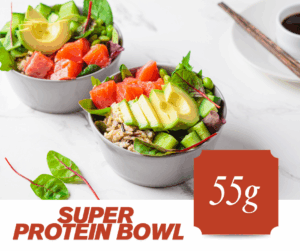
Salmon & Edamame Super Bowl (55g Protein)
-
6oz baked salmon (34g)
-
1 cup edamame (17g)
-
½ cup quinoa (4g)
-
Cucumber, avocado, sesame seeds, soy drizzle.
Blueberry Protein Pancake Stack (47g Protein)
-
1 scoop vanilla protein powder (25g)
-
2 egg whites (8g)
-
½ cup cottage cheese (14g)
-
½ cup oats
-
Blend, cook like pancakes, top with sugar-free syrup + berries.
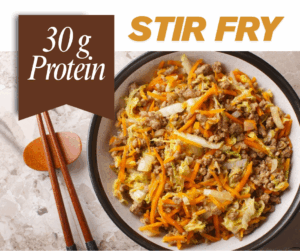
Egg Roll in a Bowl (30g Protein)
-
Lean ground turkey
-
Shredded coleslaw mix
-
Soy sauce, sesame oil, garlic
-
Top with a fried egg.
Protein Mousse (25g Protein)
-
1 scoop chocolate protein powder
-
½ cup cottage cheese
-
1 tbsp cocoa powder
Blend until creamy + chill.
What Patients are Looking for in the Best Weight Loss Clinic in Houston
Plenty of clinics offer GLP-1 prescriptions. What makes Anuli different is our holistic, results-driven approach. We don’t just hand you medication and send you home. We guide you on:
-
Exactly how much protein your body needs.
-
Easy, practical ways to hit your goals—even with a busy lifestyle.
-
How to pair nutrition with GLP-1 therapy for maximum fat loss, metabolic health, and energy.
-
Continuous support, so you’re never left wondering why progress stalled.
When you understand how GLP-1s and proteins work together, you stop spinning your wheels and start seeing real, sustainable results.
If your weight loss journey feels harder than it should, or if the scale has stopped moving, it’s time to look at protein. GLP-1 medications can curb your appetite, but only protein can protect your metabolism, accelerate fat loss, and keep your body strong.
At Anuli Aesthetics & Weightloss, we specialize in helping patients bridge this gap. Our team gives you the tools, strategies, and support you need to make every bite count—and finally see the results you’ve been working toward.

Nneka “Adaeze” Anyanwu, MSN, FNP-C, blends board-certified clinical mastery with a passion for luxury wellness at Anuli Aesthetics & Weightloss. Trained in pharmacology and cosmetic science and fellowship-certified in aesthetic medicine, she designs evidence-based weight-loss and body-sculpting programs for high-achieving women who demand results.