
For the better part of the last few years, the biohacking peptide community, longevity enthusiasts, and patients dealing with chronic inflammation have felt like they were living under a healthcare prohibition. The “War on Peptides” wasn’t fought with tanks, but with regulatory pens—specifically, the reclassification of several life-changing compounds into the FDA’s restrictive “Category 2.”
But the tide has officially turned.
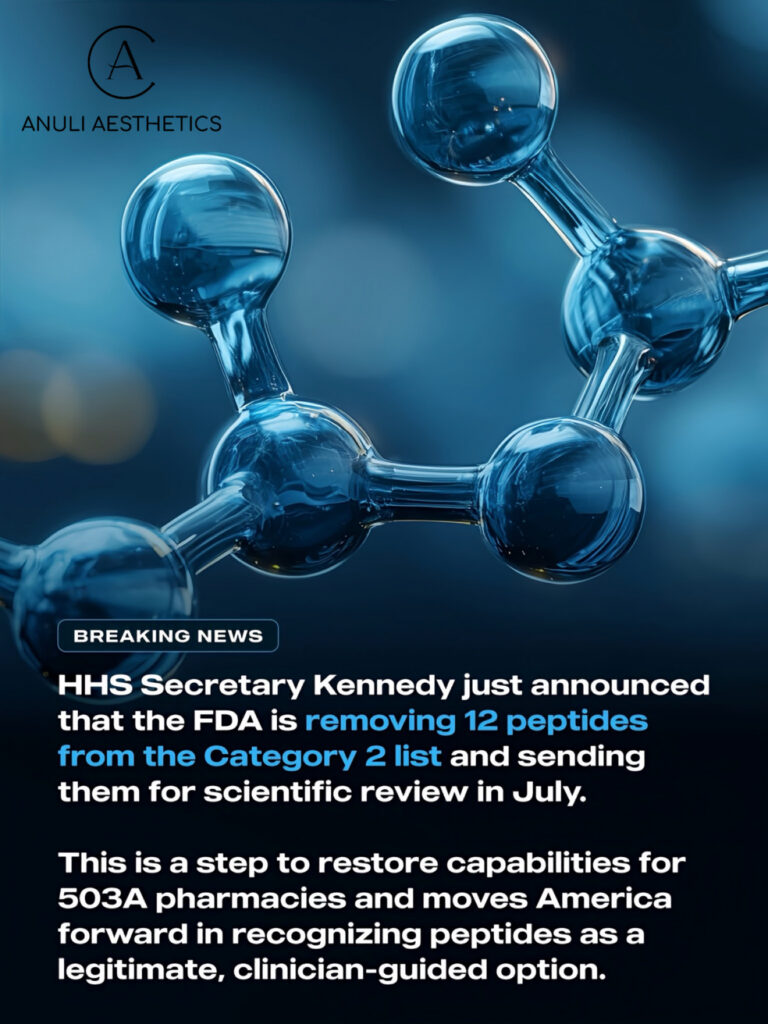
In a move that has sent shockwaves through the wellness and medical compounding industries, HHS Secretary Robert F. Kennedy Jr. has announced a massive policy reversal. The FDA is moving 12 key peptides back into Category 1. This isn’t just a bureaucratic shuffle; it is a fundamental shift in how the government views “bioregulators” and the right of the individual to access them through safe, regulated channels.
The Backstory: Why Peptides Went “Underground”
To understand why this is a victory, we have to look at the “dark ages” of 2023. At that time, the previous administration moved nearly 20 popular peptides into Category 2.
In the world of FDA compounding, Category 2 is essentially a “no-fly zone.” It is reserved for substances that the FDA deems to have significant safety risks or lack sufficient evidence for safe compounding. Once a peptide hits Category 2, licensed 503A compounding pharmacies (the ones your doctor sends prescriptions to) are effectively banned from making them.
The Rise of the “Gray Market”
The result was predictable: A massive surge in the “gray market.” Deprived of legal, physician-oversight access to compounds like BPC-157 and MOTS-c, patients turned to “research chemical” websites. These sites often sell products labeled “not for human consumption,” leaving patients to pray that what’s in the vial is actually what’s on the label.
RFK Jr. hasn’t minced words about this, calling the previous restrictions an “improper” move and a “war on public health.” His argument is rooted in common sense: these substances often function more like high-level supplements than high-risk pharmaceutical drugs.
What Changes Today? The Return to Category 1
By restoring these 12 substances to Category 1, the door is wide open again. Category 1 is the “Bulk Drug Substances List” that allows licensed pharmacies to legally prepare these peptides with a valid physician’s prescription.
The “Restored 12” List: What’s Back on the Menu?
Here are the peptides making their triumphant return to the regulated market. If you’ve been following the longevity space, you’ll recognize these heavy hitters:
-
BPC-157: The “Body Protective Compound” used for gut health and ligament repair.
-
Thymosin Beta-4 Fragment (LKKTETQ): A master of tissue repair and wound healing.
-
Epitalon: The “telomere peptide” aimed at slowing the aging clock.
-
GHK-Cu (Injectable): A copper peptide for systemic anti-inflammatory benefits.
-
MOTS-c: A mitochondrial-derived peptide that mimics the effects of exercise.
-
DSIP (Delta Sleep-Inducing Peptide): Used for stress management and deep sleep.
-
Dihexa Acetate: A potent neuroprotective agent for cognitive health.
-
Ibutamoren Mesylate (MK-677): Supports muscle mass and bone density.
-
Melanotan II: Known for skin pigmentation and libido support.
-
KPV: A C-terminal peptide with powerful anti-inflammatory properties.
-
Semax (Heptapeptide): A nootropic for focus and neuroprotection.
-
Cathelicidin LL-37: A critical antimicrobial peptide for the immune system.
Why This Matters: Safety vs. Prohibition
The most significant takeaway from RFK Jr.’s announcement is the acknowledgment of the gray market hazard. > “This action begins to restore regulated access and will immediately begin shifting demand away from the black market where consumers have no idea what they are getting.” — Robert F. Kennedy Jr.
When the FDA bans a popular substance that people feel is improving their quality of life, the demand doesn’t vanish—it just goes underground. Gray market peptides are often produced in unregulated overseas labs with zero third-party testing for purity. By moving these back to Category 1, the administration is betting on transparency and regulation over prohibition.
Comparison: The Old Way vs. The New Era
| Feature | The Restriction Era (2023-2025) | The New Era (2026+) |
| Legal Status | Category 2 (Effectively Banned) | Category 1 (Pharmacy Access) |
| Sourcing | “Research Chemical” Sites | Licensed 503A Pharmacies |
| Safety | High Risk (Contamination) | High Assurance (USP Standards) |
| Doctor Oversight | None (Self-Medicating) | Full Physician Guidance |
Deep Dive: The Impact of Key Peptides
Let’s look at why specific compounds on this list are so vital for modern functional medicine.
1. BPC-157: The Healing Powerhouse
BPC-157 is perhaps the most famous peptide in the world. Derived from a protein found in human gastric juice, it has been shown to promote “angiogenesis”—the creation of new blood vessels. This is vital for repairing “white tissue” (tendons and ligaments) that naturally has poor blood flow. For anyone dealing with chronic joint pain or gut issues like IBS, having a legal, pharmacy-grade source is a game-changer.
2. MOTS-c: The Exercise Mimetic
In an era where metabolic syndrome is at an all-time high, MOTS-c represents a new frontier. It signals the body to act as if it has been exercising, which can be a vital tool for those with mobility issues or those looking to optimize their mitochondrial health.
3. GHK-Cu: More Than Just Skincare
While GHK-Cu is often found in expensive face creams, the injectable version is a different beast. It works systemically to reset genes to a younger, healthier state, promoting collagen production and reducing oxidative stress.
The Road Ahead: The July 2026 PCAC Meeting
While the reclassification to Category 1 is an immediate win, it is not the “final” word. The FDA has scheduled a Pharmacy Compounding Advisory Committee (PCAC) meeting for July 2026.
During this meeting, seven of these peptides will be formally evaluated for permanent inclusion on the 503A Bulk Drug Substances List.
This is the “science-based access” that advocates have been demanding for years. It moves peptides out of the realm of “wellness voodoo” and into the realm of legitimate, evidence-based medicine. By using independent experts to review clinical and pharmacological data, the FDA is finally treating peptides with the nuance they deserve.
Frequently Asked Questions (FAQ)
What is the difference between Category 1 and Category 2?
Category 1 includes substances that can be used in compounding while they are being evaluated. Category 2 includes substances that have been flagged for safety concerns or lack of clinical data, effectively prohibiting pharmacies from making them.
Can I get these peptides right now?
Yes. With the move back to Category 1, licensed 503A compounding pharmacies can begin fulfilling prescriptions for these 12 peptides again. You will still need a prescription from a qualified healthcare provider.
Why was BPC-157 banned in the first place?
The FDA previously argued that there wasn’t enough human clinical trial data to prove its safety for compounding. RFK Jr. and the current HHS leadership argue that this ignored decades of safe usage data and pushed people toward dangerous, unregulated sources.
Conclusion: A New Era for Patient Autonomy
The reclassification of these 12 peptides is a massive step toward medical freedom. It acknowledges that patients are proactive about their health and that the role of the government should be to ensure the safety and purity of what they are taking, rather than preventing them from taking it at all.
This policy shift reflects a larger movement toward personalized medicine. Peptides don’t necessarily “override” your body’s systems; they signal your body to perform functions it already knows how to do, like repairing tissue or regulating hormones.
If you’ve been waiting to start a peptide protocol—whether for injury recovery, cognitive health, or metabolic support—the “gray clouds” have finally parted. Talk to your functional medicine provider, find a licensed compounding pharmacy, and welcome to the new era of regulated peptide therapy.
The war is over. The restoration has begun.

Nneka “Adaeze” Anyanwu, MSN, FNP-C, blends board-certified clinical mastery with a passion for luxury wellness at Anuli Aesthetics & Weightloss. Trained in pharmacology and cosmetic science and fellowship-certified in aesthetic medicine, she designs evidence-based weight-loss and body-sculpting programs for high-achieving women who demand results.