
Cravings on GLP-1: What They Mean and How to Respond
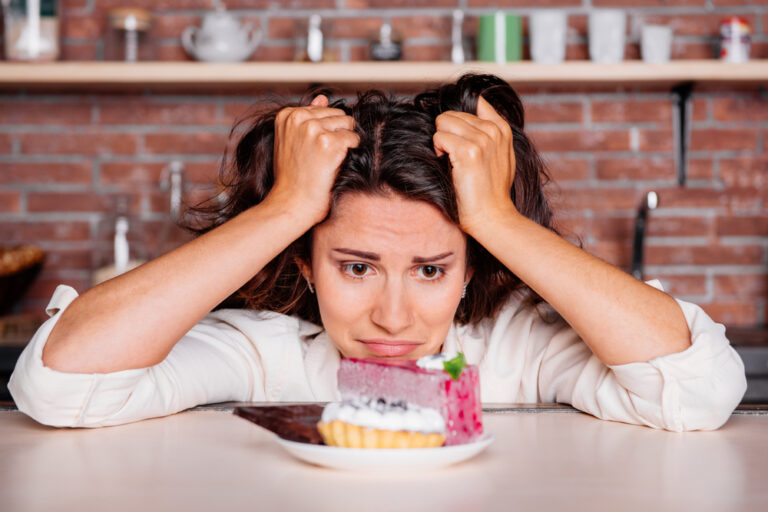
Cravings get a bad reputation in the weight loss world. They’re often framed as “weakness” or “lack of willpower.” But the truth is, cravings are your body’s way of sending a message. And if you learn how to interpret those messages, you can use cravings as a guide—not a roadblock—on your health journey.
For people taking GLP-1 medications like semaglutide, cravings often change. Some disappear entirely, while others become more noticeable. That’s because GLP-1 therapy alters how your body processes hunger, satiety, and reward signals—but it doesn’t erase every hormonal or nutritional driver of appetite.
This article will decode what common cravings mean, how they connect to your hormones and metabolism, and how to respond in ways that support your goals—whether you’re on GLP-1 medication or not.
Why Cravings Happen in the First Place
A craving is more than just hunger—it’s a strong desire for a specific type of food, often with an emotional or sensory trigger. Cravings are influenced by:
- Hormonal signals (like ghrelin, leptin, insulin, cortisol, estrogen, and dopamine)
- Nutrient needs (like sodium, magnesium, or protein)
- Blood sugar fluctuations
- Emotional states (stress, boredom, sadness, celebration)
- Learned associations (comfort foods, cultural traditions, routines)
GLP-1 medications like semaglutide can dull some appetite signals, but they don’t fully “shut off” the pathways that create cravings—especially those linked to hormones or nutrient deficiencies.
Craving #1: Sweets and Sugar
Possible Meaning: Blood sugar swings or low serotonin/dopamine activity.
Sugar cravings often indicate your body is looking for a quick source of glucose for energy—or a mood boost via the brain’s reward center.
- Hormonal Connection:
- Insulin surges and crashes can lead to a craving for fast carbs.
- Low serotonin (common during PMS or winter months) can drive a desire for sweets.
GLP-1 Insight: Semaglutide helps stabilize blood sugar, which can reduce sugar cravings for many. But if your diet is unbalanced or you skip meals, glucose dips can still trigger them.
What to Do:
- Pair carbs with protein and fat to slow digestion.
- Choose naturally sweet options, such as berries or apple slices with nut butter.
- Ensure you’re eating enough overall calories to avoid rebound cravings.
Craving #2: Salty Snacks
Possible Meaning: Sodium depletion or adrenal stress.
Salt cravings can indicate that your body needs more electrolytes, particularly if you sweat heavily, consume a limited amount of processed food, or are experiencing chronic stress.
- Hormonal Connection:
- The adrenal glands regulate sodium balance. If cortisol or aldosterone is off, salt cravings can spike.
- Low sodium levels can also occur with dehydration, which is common among individuals taking GLP-1 Receptor Agonists.
GLP-1 Insight: Reduced appetite may mean you’re eating fewer electrolyte-rich foods, making salt cravings more likely.
What to Do:
- Add mineral-rich sea salt to meals.
- Eat potassium- and magnesium-rich foods, such as leafy greens, avocados, and bananas.
- Drink electrolyte-enhanced water if you exercise or live in a hot climate.
Craving #3: Chocolate
Possible Meaning: Magnesium deficiency, need for dopamine boost, or emotional comfort.
Chocolate contains magnesium, which supports muscle relaxation, stress regulation, and energy production. It also contains compounds that trigger pleasure-related neurotransmitters.
- Hormonal Connection:
- PMS-related progesterone shifts can deplete magnesium.
- Stress-related cortisol changes can trigger cravings for comfort foods, such as chocolate.
What to Do:
- Choose dark chocolate (70% or higher) for a higher magnesium content and lower sugar levels.
- Include other magnesium-rich foods, such as pumpkin seeds, almonds, and spinach.
- Practice mindful eating to enjoy small portions without overindulging.
Craving #4: Constant Hunger—Even on GLP-1
Possible Meaning: Low protein intake, high stress hormones, or inadequate calorie intake.
If you’re on semaglutide but still feel constantly hungry, it may not be about the medication—it could be your body’s way of signaling a need for more nutrition.
- Hormonal Connection:
- Low leptin levels (a satiety hormone) can make hunger feel insatiable.
- High cortisol can block GLP-1’s appetite control, leading to stress-eating.
What to Do:
- Increase protein to 25–30 grams per meal.
- Ensure you’re not undereating—too large a calorie deficit can cause metabolic slowdown.
- Address stress through sleep optimization and relaxation techniques.
Craving #5: Fried or Fatty Foods
Possible Meaning: Need for healthy fats or comfort-based eating.
Fats are essential for hormone production, brain health, and satiety. When you cut them too low, cravings for greasy or fried foods may appear.
- Hormonal Connection:
- Dietary fat is essential for the production of sex hormones, including estrogen and testosterone.
- Low-fat diets can make you hungrier overall.
What to Do:
- Include healthy fats like avocado, olive oil, nuts, and fatty fish.
- Limit fried foods to occasional treats and focus on nutrient-rich sources of fat.
How Hormones and Cravings Interact on GLP-1s
Even when GLP-1 therapy reduces hunger, cravings tied to hormonal shifts can persist. For example:
- Perimenopause: Fluctuating estrogen and progesterone can increase carb and chocolate cravings.
- Adrenal Fatigue: Chronic stress can raise salt cravings.
- Low Testosterone: May increase desire for calorie-dense, fatty foods.
By identifying and addressing the underlying hormonal trigger, you can prevent cravings from sabotaging progress.
Turning Cravings Into Clues
Rather than resisting cravings blindly, use them as feedback:
- Ask what’s missing. Is your body lacking nutrients, sleep, hydration, or stress relief?
- Check your hormones. Persistent, intense cravings may indicate imbalances that warrant investigation.
- Plan proactive swaps. Have healthier versions of your go-to cravings on hand.
Supporting Your Body Beyond GLP-1
The most effective way to manage cravings—on or off semaglutide—is to combine medication with lifestyle and nutritional support:
- Eat a balanced diet rich in whole foods.
- Stay hydrated and maintain electrolyte balance.
- Use B-vitamin injections if fatigue and sugar cravings persist.
- Incorporate adaptogens to help regulate stress hormones that trigger cravings.
The Takeaway
Cravings aren’t your enemy—they’re a messenger. Learning to interpret and respond to them can help you maintain control over your health journey, even during hormonal shifts or appetite changes associated with GLP-1 medication.
By addressing the root cause—whether it’s nutrient gaps, stress, or hormone imbalance—you can reduce cravings naturally while still enjoying food in a way that supports your goals.
At Anuli Med Spa, we take a holistic approach to weight loss. Whether you’re navigating sugar cravings on GLP-1 therapy or uncovering hormonal triggers for persistent hunger, our team designs personalized strategies tailored to your unique body.
Visit Anuli Med Spa to schedule your consultation and learn how to decode your cravings—and use them to fuel your progress, instead of holding you back.

Nneka “Adaeze” Anyanwu, MSN, FNP-C, blends board-certified clinical mastery with a passion for luxury wellness at Anuli Aesthetics & Weightloss. Trained in pharmacology and cosmetic science and fellowship-certified in aesthetic medicine, she designs evidence-based weight-loss and body-sculpting programs for high-achieving women who demand results.